Category: Uncategorized

  • How to Leverage Mobile OBD-II Diagnostic Apps to Decode Trouble Codes Instantly: A Guide for Dallas Drivers

    How to Leverage Mobile OBD-II Diagnostic Apps to Decode Trouble Codes Instantly: A Guide for Dallas Drivers

    Car trouble can strike at the worst moments. For drivers in Dallas, Texas, understanding what your check engine light really means no longer requires a trip to the mechanic. Thanks to mobile OBD-II diagnostic apps, you can now read and understand your car’s trouble codes right from your phone. This guide will walk you through how to use these tools to save time, avoid unnecessary repairs, and feel more confident when you’re behind the wheel.

    What Is an OBD-II System and Why Should You Care?

    Every car built after 1996 has an onboard diagnostics system known as OBD-II. This system constantly monitors the performance of your engine, transmission, emissions, and other critical systems. When something goes wrong, it triggers the check engine light and stores a trouble code that identifies the issue.

    Most people ignore the light or rush to a mechanic. But if you live in Dallas and want to save money and avoid guesswork, learning to read those codes yourself can be a game-changer.

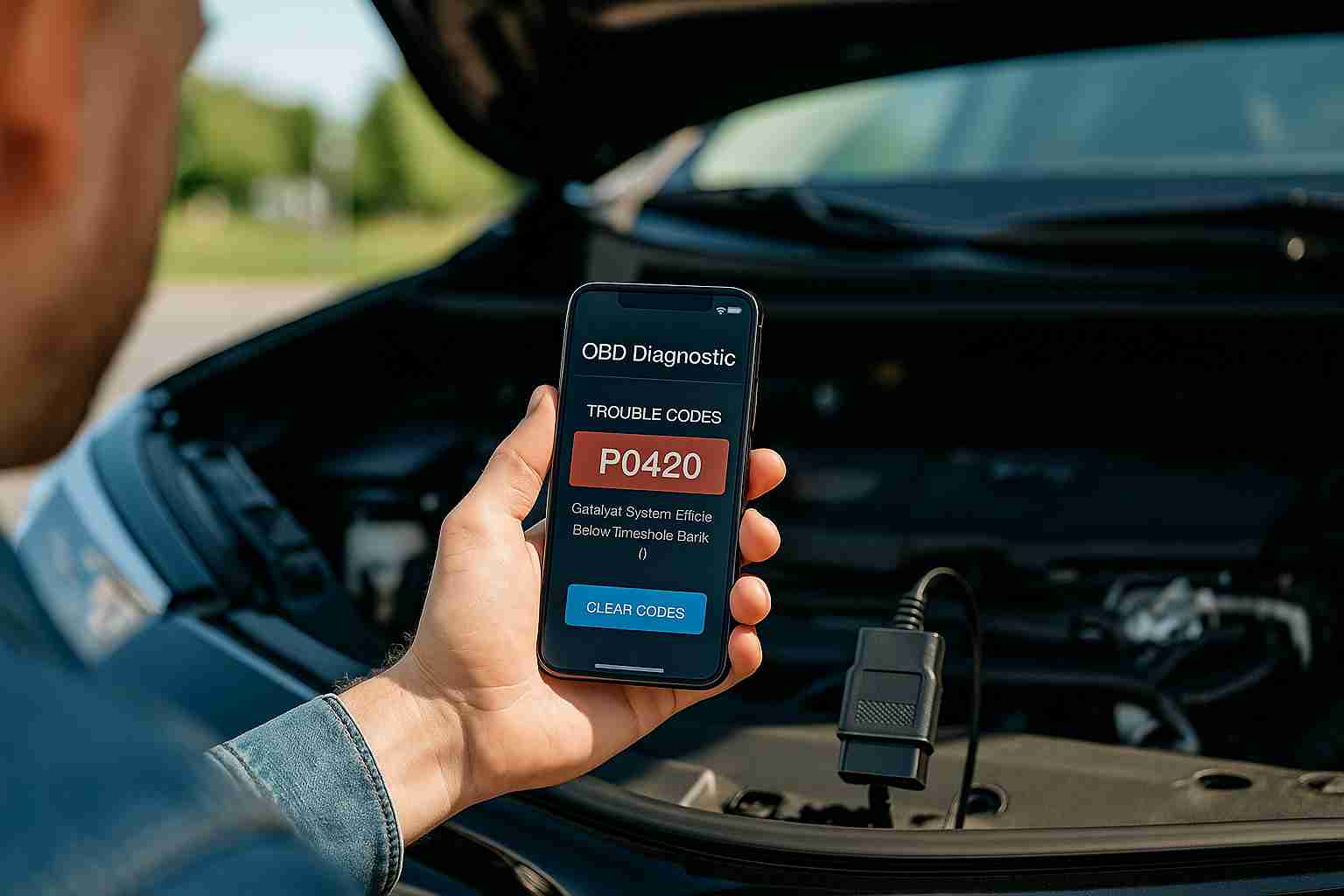
    Driver using mobile OBD-II diagnostic app on a sunny day in DeSoto to check engine trouble code P0420 with adapter plugged into car engine

    What Are Mobile OBD-II Diagnostic Apps?

    Mobile OBD-II apps are software applications that connect your smartphone or tablet to your car’s computer. They require a small device called an OBD-II adapter that plugs into your vehicle’s diagnostic port, usually located beneath the dashboard.

    Once connected via Bluetooth or Wi-Fi, the app can display real-time data, read and clear trouble codes, and even give repair suggestions. Some of the most popular apps include:

    • Torque (Android)

    • OBDeleven (Android)

    • Car Scanner (iOS and Android)

    • FIXD (iOS and Android)

    • BlueDriver (iOS and Android)

    Why Dallas Drivers Should Use Mobile OBD-II Apps

    1. Instant Answers Without the Wait

    You don’t have to wait in line at the auto shop just to know what’s wrong. A mobile app gives you an answer in seconds. That means if you’re late for work or stuck on the road near Interstate 35, you can diagnose the problem instantly.

    2. Save Money on Repairs

    Mechanics sometimes charge $100 or more just to read a code. In Dallas, where every dollar counts, knowing what the code means can help you decide if it’s a quick DIY fix or something worth taking to a shop.

    3. Avoid Being Overcharged

    When you know what’s wrong with your vehicle, you can speak with confidence. You won’t be tricked into unnecessary repairs or upsells. Knowledge is power—and money saved.

    4. Stay Road-Ready in All Weather

    Whether you’re headed to Windmill Hill Nature Preserve or commuting through summer heat or winter rain, OBD-II apps help ensure your vehicle stays in peak condition, reducing the risk of breakdowns.

    How to Get Started: Step-by-Step for Dallas Residents

    Step 1: Buy a Quality OBD-II Adapter

    Visit your local auto parts store in Dallas, such as AutoZone on N Hampton Rd or Advance Auto Parts on W Belt Line Rd. Ask for a Bluetooth or Wi-Fi OBD-II adapter. Expect to spend between $20 and $100.

    Step 2: Download a Compatible App

    Choose an app that fits your needs and device. Torque and Car Scanner are great for Android users, while BlueDriver and FIXD are excellent for iPhones.

    Step 3: Connect the Adapter

    • Locate your vehicle’s OBD-II port under the dashboard.

    • Plug in the adapter.

    • Turn on the ignition (you don’t need to start the engine).

    • Pair the adapter with your phone via Bluetooth or Wi-Fi.

    Step 4: Launch the App and Read the Codes

    Open the app, tap “Read Codes” or similar, and wait for the information to load. You’ll see a list of codes like “P0420” or “P0301,” along with explanations and possible fixes.

    Step 5: Decide What to Do Next

    • Minor Issues: Replace a gas cap, tighten loose wiring, or clear old codes.

    • Moderate Problems: Schedule time with a trusted local mechanic, like Dallas Auto Care.

    • Major Issues: Avoid driving until repairs are complete.

    Real-Life Example: Dallas Resident Saves $300

    James, a Dallas driver commuting daily to Dallas, noticed his check engine light came on. Instead of panicking, he used a $30 OBD-II adapter and a free app. The app reported a loose gas cap (Code P0457). A quick tightening and the light disappeared. A shop would’ve charged $80 to diagnose and more for unnecessary parts.

    Common Trouble Codes You Might See in Dallas

    Here are a few examples of trouble codes and what they mean:

    • P0171: System too lean (could mean a vacuum leak)

    • P0300: Random/multiple cylinder misfire

    • P0420: Catalyst system efficiency below threshold

    • P0455: Evaporative emission control system leak detected

    • P0133: Oxygen sensor slow response

    Knowing these can help you act before the problem gets worse.

    Safety First: When to Call a Pro in Dallas

    OBD-II apps are helpful, but some problems need a trained mechanic. If your app shows multiple error codes, or if your car is shaking, overheating, or leaking fluids, don’t risk it. Head to a trusted repair shop in Dallas or call roadside assistance.

    Local Driving Conditions and Their Effects on Electrical Systems

    Dallas’s mix of highways, suburban routes, and urban stoplights means your car goes through constant power usage cycles. Add in traffic jams on Woodall Rodgers Freeway or long drives across the DFW area, and your alternator has its work cut out for it.

    • Urban Driving: Frequent starts and stops mean the alternator never gets a steady rhythm.

    • High-Speed Highway Driving: At higher speeds, the alternator performs well—but it also faces more heat and load.

    • Suburban Errands: Short, quick trips drain your battery without giving time for recharge.

    Understanding this helps you time your maintenance better and avoid surprises.

    Tips for Choosing the Best App and Adapter

    • Check Compatibility: Some apps work better with specific car brands.

    • Read Reviews: Look for feedback from other Texas or Dallas users.

    • Consider Extra Features: Live data, fuel economy tracking, and maintenance reminders can all add value.

    How Mobile Diagnostics Support Preventive Maintenance

    Using a diagnostic app isn’t just about fixing problems—it’s also about preventing them. Regular scans can catch issues before they trigger the check engine light. For Dallas drivers who rely on their vehicle daily, that peace of mind is priceless.

    You can set reminders, monitor performance, and track maintenance history. It’s like having a digital health chart for your car.

    Frequently Asked Questions (FAQs)

    How to read check engine codes in Dallas, TX?

    Use an OBD-II adapter and a mobile app like Torque or FIXD to scan codes directly on your phone without going to a mechanic.

    Best free car diagnostic app for iPhone users?

    Car Scanner ELM OBD2 works well with iPhones and helps you read, clear codes, and monitor car health easily.

    Where to buy OBD-II scanner in Dallas, TX?

    You can buy scanners at AutoZone, O’Reilly Auto Parts, or Walmart in Dallas, TX.

    Can I clear engine codes with my phone?

    Yes, mobile apps let you clear engine codes after scanning with an OBD-II adapter.

    Are mobile OBD-II apps accurate for diagnostics?

    Yes, they’re reliable for most issues but not a full replacement for a mechanic.

    How to connect OBD-II adapter to my smartphone?

    Plug it into your car, pair via Bluetooth or Wi-Fi, and open the app.

    What does code P0420 mean on my car?

    It usually means your catalytic converter is working poorly or has failed.

    Final Thoughts: Empowering Dallas Drivers With Information

    Dallas drivers deserve tools that give them more control, save time, and cut costs. Mobile OBD-II diagnostic apps make it easy to understand your vehicle, fix simple issues, and decide when professional help is needed.

    With just your smartphone and a small adapter, you can unlock insights that used to cost hundreds. Don’t wait for a breakdown—start using mobile diagnostics today and drive with confidence.

  • How to Keep Your Alternator Running Longer on Dallas’s Busy Highways

    How to Keep Your Alternator Running Longer on Dallas’s Busy Highways

    Driving through Dallas’s congested highways, from I-35E to LBJ Freeway, puts your vehicle to the test every day. And while most drivers focus on oil changes and tire checks, few give their alternator the attention it needs—until it fails. This small but vital component powers your car’s electrical system and helps keep your battery charged. In this guide, you’ll learn how to spot early warning signs, avoid damage, and maintain your alternator for the long haul—especially in Dallas’s demanding driving environment. With the right knowledge and habits, you can reduce costly repairs, avoid highway breakdowns, and keep your vehicle running smoothly for years.

    Why the Alternator Matters in Dallas Driving Conditions

    Dallas drivers face some of the heaviest traffic in Texas. With daily commutes stretching across the Dallas North Tollway, I-30, and US-75, vehicles spend long hours idling, stopping, and restarting. That puts a big demand on your alternator. It powers your car’s electrical systems—including the radio, air conditioning, lights, and power windows—while also recharging the battery.

    Without a working alternator, your battery dies fast, and eventually, your car won’t even start. That’s why learning how to keep this part healthy isn’t just about saving money—it’s about keeping your car dependable on every trip through the Metroplex.

    Mechanic fixing a car alternator with Dallas skyline and busy freeway in the background on a sunny day.

    How Dallas Traffic Wears Down Your Alternator

    Dallas highways are often packed during morning and evening rush hours. If you spend a lot of time creeping through traffic on I-635 or waiting at lights along Belt Line Road, your alternator works overtime. Here’s how the local traffic affects it:

    • Frequent Idling: When you sit in traffic, your engine runs slower, which reduces the alternator’s output.

    • Constant Accessories: Using the AC in summer, headlights at night, and your phone charger during commutes draws more power.

    • Stop-and-Go Stress: Accelerating and braking often puts more strain on your engine and, by extension, the alternator.

    In short, Dallas’s roadways create a perfect storm for early alternator wear if you don’t take care of it.

    Top Signs Your Alternator Might Be Failing

    Catching alternator problems early can save you from being stranded on the side of I-20 or stuck in a parking garage downtown. Look for these warning signs:

    • Dim or Flickering Headlights: If your lights change brightness when you speed up or slow down, your alternator might not be keeping up.

    • Dashboard Warning Light: A battery-shaped light or “ALT” warning could mean your alternator isn’t charging correctly.

    • Dead Battery (Again): A battery that dies often—especially after you just replaced it—is likely not being recharged by the alternator.

    • Electrical Glitches: Power windows or the stereo cutting in and out signal low voltage.

    • Unusual Sounds: A grinding or whining noise near the engine could mean worn bearings in the alternator.

    Don’t ignore these. Even if your car still starts, a failing alternator can lead to complete engine shutoff—dangerous and inconvenient, especially in highway traffic.

    Simple Maintenance Tips to Extend Alternator Life

    You don’t need to be a mechanic to keep your alternator in good shape. Here’s how Dallas drivers can extend its life:

    • Check the Belt: Your alternator is powered by a serpentine belt. If it’s loose, cracked, or slipping, get it tightened or replaced.

    • Inspect for Dirt and Oil: The alternator needs to stay clean. Leaking fluids from other parts can damage it.

    • Avoid Overloading: Don’t plug in too many chargers or add high-powered sound systems without upgrades.

    • Start Smoothly: Avoid revving your engine during startup. This sudden power demand can wear down parts fast.

    • Schedule Electrical Checks: Ask your mechanic to test your charging system during routine service.

    A little attention goes a long way. These simple habits can save you hundreds in repairs and hours of downtime.

    How Extreme Texas Weather Impacts Alternator Health

    Dallas weather isn’t easy on cars. With summer highs soaring past 100°F and sudden cold snaps in winter, temperature swings can wear down vehicle components faster. Here’s how it affects your alternator:

    • Heat Stress: High temperatures make your engine and alternator work harder, potentially shortening lifespan.

    • Cold Mornings: On chilly mornings, batteries need more power to start, forcing the alternator to work overtime.

    • Storms and Humidity: Moisture can corrode electrical parts and reduce alternator efficiency.

    To counter this, park in the shade or use a garage whenever possible. In winter, give your car a few extra seconds to warm up before turning on major electrical features.

    Battery and Alternator: A Vital Partnership

    Your car’s alternator and battery are like teammates. If one fails, the other suffers. Many alternator problems are mistaken for battery issues and vice versa.

    • A Bad Battery Hurts the Alternator: If your battery holds less charge, the alternator has to work longer to top it off.

    • An Alternator That Can’t Keep Up: Even a new battery will die quickly if the alternator can’t recharge it properly.

    If you’re replacing one, it’s smart to test the other. A simple check can prevent future breakdowns and keep your vehicle reliable on Dallas streets.

    Common Driving Habits That Shorten Alternator Lifespan

    Some everyday habits might be doing quiet damage to your alternator without you realizing it:

    • Short Trips Only: Driving short distances doesn’t give the alternator enough time to recharge the battery.

    • Leaving Accessories On: Forgetting to turn off lights or dash cams when parked drains your battery—and your alternator has to refill that charge.

    • Rough Roads: Bumpy streets like those near industrial zones can loosen belts or damage mounting brackets.

    Being aware of these can help you drive smarter. Even changing a few habits can significantly improve how long your alternator lasts.

    Local Driving Conditions and Their Effects on Electrical Systems

    Dallas’s mix of highways, suburban routes, and urban stoplights means your car goes through constant power usage cycles. Add in traffic jams on Woodall Rodgers Freeway or long drives across the DFW area, and your alternator has its work cut out for it.

    • Urban Driving: Frequent starts and stops mean the alternator never gets a steady rhythm.

    • High-Speed Highway Driving: At higher speeds, the alternator performs well—but it also faces more heat and load.

    • Suburban Errands: Short, quick trips drain your battery without giving time for recharge.

    Understanding this helps you time your maintenance better and avoid surprises.

    How to Protect Your Alternator During Stop-and-Go Traffic

    Stop-and-go traffic is a way of life in Dallas, especially near downtown or during construction. Here’s how to protect your alternator during those slow grinds:

    • Turn Off Extras: If stuck for more than a minute, turn off AC or radio to ease the load.

    • Don’t Ride the Brakes: Let your car coast when safe; it reduces engine strain.

    • Keep Battery Healthy: A strong battery makes the alternator’s job easier during repeated starts.

    Planning routes to avoid the worst traffic can also help. Apps like Waze or Google Maps are great for spotting bottlenecks ahead of time.

    When It’s Time to Replace Your Alternator

    Even with perfect care, alternators don’t last forever. Most last between 80,000–150,000 miles. Signs that it’s time for a replacement:

    • Multiple Electric Failures: If lights, stereo, and AC fail one after another, the alternator likely isn’t producing enough power.

    • Repeated Battery Replacements: If you’ve replaced batteries but still see issues, the root cause could be the alternator.

    • Smoke or Burning Smell: This is urgent. If you smell burning rubber, pull over and call a mechanic.

    A professional mechanic can test your alternator quickly. Catching the problem early keeps you safe on busy Dallas roads.

    FAQs: Common Questions

    What are signs of alternator failure in Dallas traffic?

    Look for dim lights, warning lights, weird sounds, or a dead battery. These signs show your alternator may be going bad, especially in Dallas traffic.


    How can I make my alternator last longer in Dallas?

    Keep the belt tight, check for leaks, use less power stuff, and make sure your battery is good to help your alternator last longer in Dallas.


    Why does my alternator fail during Dallas summers?

    Hot Dallas summers make your alternator work harder and wear out faster, especially with AC and other electric parts running often.


    Is frequent idling in Dallas traffic bad for my alternator?

    Yes, idling makes the alternator spin slower but still power things. It can wear it out faster, especially in Dallas stop-and-go traffic.


    How often should I check my alternator in Dallas?

    Check it once a year or during big services. Dallas roads and heat can wear parts down fast, so it’s smart to keep an eye on it.


    Can a weak battery affect my alternator’s performance?

    Yes. A weak battery makes the alternator work too hard. That can shorten its life and cause more car trouble in the long run.


    What maintenance tips help my alternator in Dallas traffic?

    Use less power while idling, keep the belt in good shape, and check your battery often. These steps help your alternator last longer in traffic.

    Final Thoughts: Drive Smarter, Not Harder

    Your alternator is one of the unsung heroes of your vehicle. Especially in a high-demand city like Dallas, it quietly powers the systems you rely on every time you drive. With a little knowledge and some smart habits, you can help your alternator last longer, reduce repair bills, and stay confidently on the move—whether you’re headed down I-20 or cruising around Lakewood.

    By being proactive, you’ll not only avoid being stranded, but you’ll also keep your car healthier and your daily routine smoother. Don’t wait until your dashboard lights up—take care of your alternator now, and it’ll take care of you.

  • Managing and Preventing Fluid Leaks Beyond Coolant: A Focus on Brake and Transmission Fluids in Dallas

    Managing and Preventing Fluid Leaks Beyond Coolant: A Focus on Brake and Transmission Fluids in Dallas

    If you drive in Dallas, fluid leaks are more than just minor annoyances. They can significantly impact vehicle safety, performance, and your wallet. While coolant leaks tend to grab attention quickly due to visible puddles and overheating symptoms, brake and transmission fluid leaks often go unnoticed, despite potentially serious consequences. This comprehensive guide will walk you through managing and preventing brake and transmission fluid leaks, specifically tailored for Dallas drivers, focusing on real-world, practical advice that solves your automotive problems.

    Why Brake and Transmission Fluid Leaks Matter

    Car fluids are like the blood of your vehicle, each with a vital role. Brake fluid powers your ability to stop safely, while transmission fluid ensures smooth gear shifts and prevents costly wear. When these fluids leak, the consequences can be severe:

    • Safety Risks: A brake fluid leak can make your brake pedal feel spongy, reducing stopping power. In Dallas’s stop-and-go traffic, this is a recipe for danger.

    • Costly Repairs: Transmission fluid leaks can lead to gear slippage or total transmission failure, with repairs often costing $2,000 or more.

    • Performance Issues: Low fluid levels cause jerky shifts or sluggish braking, making your drive across Dallas less comfortable and reliable.

    By catching leaks early, you protect your car, avoid hefty repair bills, and stay safe on roads like the Dallas North Tollway. Let’s explore how to identify these leaks and what makes them common in Dallas’s unique environment.

    Dark fluid leak under a white car parked in a Dallas parking lot

    Spotting Brake and Transmission Fluid Leaks

    The first step to managing leaks is knowing what to look for. Dallas drivers can save time and money by regularly checking their vehicles. Here’s how to spot brake and transmission fluid leaks:

    Brake Fluid Leaks

    Brake fluid is typically clear or slightly yellow when new, darkening to light brown as it ages. It feels slippery and may smell faintly like fish oil. Look for these signs:

    • Puddles Near Wheels: Check under your car, especially near the tires. A small, oily puddle could indicate a leak in the brake lines or calipers.

    • Spongy Brake Pedal: If pressing the brake feels soft or requires pumping, low fluid levels may be the culprit.

    • Dashboard Warning Light: A brake system warning light often signals low fluid or a leak.

    Brake fluid leaks often stem from worn brake lines, damaged calipers, or a faulty master cylinder, especially in older cars common in Dallas neighborhoods like Oak Cliff.

    Transmission Fluid Leaks

    Transmission fluid is usually red or reddish-brown, with a slightly oily texture and a petroleum-like smell. It may turn darker or smell burnt if overdue for a change. Watch for:

    • Reddish Puddles: Look under the middle of your car, where the transmission sits. A bright red or dark brown spot is a red flag.

    • Shifting Problems: Hesitation, slipping gears, or jerky shifts suggest low transmission fluid.

    • Burning Smell: A burnt odor while driving may indicate overheating transmission fluid due to a leak.

    In Dallas’s hot climate, transmission seals and gaskets can dry out, leading to leaks in components like the transmission pan or cooler lines.

    Dallas-Specific Challenges

    Dallas’s scorching summers, with temperatures often exceeding 100°F, accelerate fluid degradation. The heat can cause rubber seals to crack, especially in high-mileage vehicles common in areas like Garland or Mesquite. Stop-and-go traffic on highways like I-635 also puts extra strain on brakes and transmissions, increasing leak risks. By checking your car weekly, you can catch issues before they escalate.

    Preventing Fluid Leaks: Practical Tips for Dallas Drivers

    Prevention is better than repair, especially in a busy city like Dallas, where you rely on your car daily. These simple steps can help you avoid brake and transmission fluid leaks, saving you stress and money.

    Regular Maintenance Checks

    • Inspect Fluid Levels: Every two weeks, check your brake and transmission fluid levels using the dipstick (for transmission) or reservoir (for brakes). Top off with the manufacturer-recommended fluid if levels are low.

    • Look Under Your Car: After parking in your Dallas driveway, scan for puddles or stains. Place a piece of cardboard under the car overnight to pinpoint the leak’s location.

    • Follow Service Schedules: Change brake fluid every two years or 30,000 miles and transmission fluid every 30,000 to 60,000 miles, depending on your vehicle. Fresh fluid reduces strain on seals and prevents corrosion.

    Protect Against Dallas’s Climate

    • Park in Shade: Dallas’s intense heat can degrade rubber components. Parking in a garage or under a tree in neighborhoods like Deep Ellum helps keep your car cooler.

    • Use Quality Fluids: Opt for synthetic transmission fluid, which resists heat better, and high-quality brake fluid designed for high temperatures. Check your owner’s manual for recommendations.

    • Inspect Seals and Hoses: Heat can crack rubber seals and hoses. Ask a mechanic to check these during oil changes, especially before summer hits.

    Drive Smart in Dallas Traffic

    • Avoid Aggressive Driving: Sudden stops and starts on roads like Central Expressway stress your brakes and transmission, increasing leak risks. Drive smoothly to reduce wear.

    • Lighten Your Load: Hauling heavy loads, common for Dallas residents towing trailers to Lake Ray Hubbard, strains the transmission. Remove unnecessary weight to ease the load.

    By adopting these habits, you’ll extend your car’s life and avoid the inconvenience of breakdowns in places like Downtown Dallas.

    Fixing Fluid Leaks: What to Expect

    If you spot a leak, don’t panic. Addressing it promptly can prevent major damage. Here’s what Dallas drivers should know about fixing brake and transmission fluid leaks.

    Brake Fluid Leak Repairs

    • Common Causes: Leaks often come from worn brake lines, damaged calipers, or a failing master cylinder. In Dallas, corrosion from road salt (used occasionally in winter) can also play a role.

    • Repair Process: A mechanic will inspect the brake system, replace damaged components, and flush the system with fresh fluid. This typically takes 1-2 hours.

    • Cost: Expect to pay $100-$300 for minor repairs like replacing a brake line. Master cylinder repairs may cost $400-$600.

    • DIY Caution: Brake repairs require precision. Unless you’re experienced, leave it to a professional to ensure safety.

    Transmission Fluid Leak Repairs

    • Common Causes: Leaks often result from a damaged transmission pan, worn seals, or cracked cooler lines. Dallas’s heat accelerates seal wear, making these issues more common.

    • Repair Process: Mechanics will clean the undercarriage, inspect for the leak’s source, and replace faulty parts like gaskets or seals. Severe cases may require a transmission rebuild.

    • Cost: Minor fixes, like replacing a pan gasket, cost $150-$400. Major repairs, like a transmission rebuild, can exceed $2,000.

    • Act Fast: Driving with low transmission fluid can cause irreversible damage, so address leaks immediately.

    Finding a Reliable Mechanic in Dallas

    Dallas has many reputable auto shops, but choosing the right one matters. Look for:

    • Certified Technicians: Shops with ASE-certified mechanics, common in areas like Plano, ensure quality work.

    • Local Reviews: Check Google or Yelp for reviews from Dallas customers. Shops in neighborhoods like Lake Highlands often have strong community reputations.

    • Transparent Pricing: Avoid shops that push unnecessary repairs. Request a detailed estimate before work begins.

    For urgent issues, mobile mechanics in Dallas can come to your home or workplace, saving you a trip to the shop. 

    FAQs: Common Questions About Fluid Leaks in Dallas

    Q: How often should I check my car for leaks in Dallas?
    A: Check weekly, especially during summer when heat increases leak risks. A quick glance under your car takes less than a minute.

    Q: Can I drive with a small brake fluid leak?
    A: No. Even a small leak can reduce braking power, making it unsafe. Tow your car to a mechanic to avoid risks.

    Q: Why are fluid leaks more common in Dallas?
    A: High temperatures and heavy traffic stress car components, causing seals and hoses to wear out faster.

    Q: How can I tell if it’s transmission fluid or something else?
    A: Transmission fluid is usually red or reddish-brown with an oily feel. Compare it to your dipstick and check for a petroleum smell.

    Q: Are there products to stop leaks temporarily?
    A: Yes, there are stop-leak products that can slow down small leaks for a short time. But they aren’t a real fix. It’s best to visit a mechanic to find and fix the real problem before it gets worse or damages other parts.

    Q: What should I do if I see fluid on my driveway every morning?
    A: Place a clean piece of cardboard under your car overnight to confirm the leak’s location and color. Then schedule a visit to a Dallas mechanic to diagnose and repair the issue before it worsens.

    Q: How do I know when to replace old brake or transmission fluid?
    A: Look at color and smell. Brake fluid should be clear to light brown; transmission fluid should be reddish and not burnt. Dark or dirty fluid with odd smells means it’s time for a change.

    Final Thoughts

    Managing brake and transmission fluid leaks effectively in Dallas isn’t just about preventing minor annoyances—it’s about ensuring safety, reliability, and long-term savings. By understanding these fluids, recognizing early signs of trouble, and taking practical preventive steps, Dallas drivers can keep their cars running safely and efficiently. Regular checks and timely maintenance save money, prevent dangerous situations, and offer peace of mind while navigating busy Dallas roads.

  • How to Tackle Minor Interior Car Problems: Keeping Your Dashboard and Upholstery Pristine in Dallas

    How to Tackle Minor Interior Car Problems: Keeping Your Dashboard and Upholstery Pristine in Dallas

    Your car’s interior takes a beating in Dallas, from scorching heat to daily spills and dirt. Learning how to fix minor issues like dashboard cracks or stained upholstery can save you money and keep your vehicle looking sharp. This guide explains simple ways to tackle common car interior problems. We’ll focus on practical tips for Dallas drivers, using easy steps to maintain your dashboard and upholstery without needing expensive repairs.

    Why Dallas Weather Makes Car Interior Care Tough

    Dallas summers are brutal, with temperatures often exceeding 100°F. This heat can fade your dashboard and make upholstery brittle, leading to cracks and tears.

    Dust from busy roads like I-35E also settles inside your car. Over time, it grinds into fabrics and plastics, causing wear that’s hard to reverse.

    Protecting your interior isn’t just about looks. A clean, well-kept dashboard and upholstery can boost your car’s resale value and make every drive more comfortable.

    Interior view of a car featuring a sleek black leather seat, highlighting the importance of maintaining upholstery in Dallas.

    Common Interior Problems Dallas Drivers Face

    Minor issues can pile up if ignored. Here are the most common problems Dallas drivers deal with and why they matter.

    • Dashboard Fading and Cracks: UV rays from the Texas sun weaken plastic, causing discoloration and splits.

    • Upholstery Stains: Coffee spills, fast food grease, or muddy shoes leave marks that sink into fabric or leather.

    • Sticky or Peeling Surfaces: Heat and humidity can make dashboards sticky or cause vinyl to peel.

    • Odors: Trapped food crumbs or spilled drinks create smells that linger in your car’s interior.

    Fixing these issues early prevents bigger damage. You’ll avoid costly replacements and keep your car feeling fresh.

    Tools and Supplies You’ll Need

    Before starting, gather a few basic items. Most are affordable and easy to find at stores like Walmart or AutoZone in Dallas.

    • Microfiber cloths: These are gentle on surfaces and trap dust well.

    • Mild cleaner: Use a car-safe cleaner like Meguiar’s All-Purpose Cleaner (diluted) or dish soap mixed with water.

    • Soft-bristled brush: Great for scrubbing upholstery without damaging it.

    • UV protectant spray: Products like 303 Aerospace Protectant shield dashboards from sun damage.

    • Leather conditioner: For leather seats, use something like Lexol to keep them soft.

    • Vacuum with attachments: A small handheld vacuum cleans tight spots.

    • Plastic polish: Novus Plastic Polish works for minor dashboard scratches.

    • White vinegar: A natural cleaner for tough stains and odors.

    Having these on hand makes maintenance quick. You won’t need fancy equipment to get professional results.

    Step-by-Step Guide to Cleaning and Protecting Your Dashboard

    A clean dashboard looks great and lasts longer. Follow these steps to tackle fading, dust, and minor scratches.

    Step 1: Vacuum and Dust

    Start by vacuuming loose dirt from your dashboard, especially in crevices. Use a microfiber cloth to wipe away remaining dust, working from top to bottom.

    Step 2: Clean the Surface

    Mix a mild cleaner with water (1:10 ratio). Dampen a microfiber cloth with the solution and gently wipe the dashboard to remove grime.

    Don’t soak the cloth—too much water can damage electronics. Dry the surface with a clean microfiber towel to prevent streaks.

    Step 3: Polish Minor Scratches

    For small scratches, apply a plastic polish with a soft cloth. Rub in circular motions, then buff it out to restore shine.

    This won’t fix deep cracks, but it smooths minor imperfections. Always test the polish on a small area first.

    Step 4: Apply UV Protectant

    Spray a UV protectant evenly across the dashboard. Wipe it in with a microfiber cloth to create a protective layer against Dallas’s harsh sun.

    Reapply every 2–3 months for best results. This keeps your dashboard from fading and cracking over time.

    How to Clean and Maintain Upholstery

    Stains and tears on seats can ruin your car’s vibe. Whether you have fabric or leather, these tips will help.

    For Fabric Seats

    Vacuum the seats to remove loose dirt. For stains, mix white vinegar, water, and a drop of dish soap (1:2:1 ratio).

    Dab the solution onto stains with a microfiber cloth. Use a soft brush to scrub gently, then blot dry with a clean towel.

    For tough odors, sprinkle baking soda on the seats, let it sit for an hour, and vacuum it up. This neutralizes smells without harsh chemicals.

    For Leather Seats

    Wipe leather with a damp microfiber cloth to remove surface dirt. Apply a small amount of leather cleaner to lift stains, working in small sections.

    After cleaning, apply a leather conditioner to keep seats soft and prevent cracking. Buff it in with a clean cloth for a smooth finish.

    Avoid using too much conditioner, as it can make seats slippery. Reapply every 3–4 months to combat Dallas’s dry heat.

    Fixing Sticky or Peeling Dashboards

    Sticky dashboards are common in older cars, especially after years of Texas heat. Peeling vinyl is another headache that’s fixable with patience.

    For sticky surfaces, clean with a 1:1 mix of water and white vinegar. Wipe gently with a microfiber cloth, then dry thoroughly.

    If the stickiness persists, a degreaser like Simple Green (diluted) can help. Test it in a hidden spot to avoid damaging the finish.

    For peeling vinyl, use a heat gun or hairdryer on low to soften the material. Press it back into place and hold until it cools.

    If the peel is too large, consider a dashboard cover. These are affordable and hide damage while protecting the surface.

    Preventing Future Damage in Dallas

    Prevention is easier than fixing problems. These habits will keep your car’s interior in top shape.

    • Park in Shade: Use a garage or shaded spot to block UV rays. If that’s not possible, invest in a windshield sunshade.

    • Use Seat Covers: Breathable covers protect upholstery from spills and wear, especially during Dallas’s sweaty summers.

    • Clean Regularly: Wipe down your dashboard and vacuum seats weekly to stop dirt buildup.

    • Avoid Eating in the Car: Crumbs and spills are the main culprits behind stains and odors.

    • Crack Windows Slightly: On hot days, leave windows open a tiny bit to reduce heat buildup inside.

    These small steps make a big difference. Your car will stay cleaner and last longer with minimal effort.

    When to Call a Professional

    Some issues are too big for DIY fixes. Knowing when to get help can save you time and money.

    If your dashboard has deep cracks or large peeling sections, a professional can repair or replace it. Shops in Dallas, like those near Deep Ellum, specialize in interior restoration.

    For upholstery, tears or burns may need reupholstering. A pro can match your car’s original fabric or leather for a seamless fix.

    Get quotes from multiple shops to find fair prices. Most minor repairs cost less than you’d expect and boost your car’s value.

    Benefits of Keeping Your Car Interior Pristine

    A well-maintained interior isn’t just about pride. It delivers real advantages for Dallas drivers.

    • Higher Resale Value: A clean, damage-free interior can add hundreds to your car’s worth.

    • Better Comfort: Fresh seats and a shiny dashboard make every drive more enjoyable.

    • Lower Repair Costs: Fixing small issues now prevents expensive replacements later.

    • Improved Air Quality: Regular cleaning removes dust and allergens, especially important during Dallas’s pollen-heavy springs.

    These benefits add up over time. You’ll save money and feel better behind the wheel.

    Quick Tips for Busy Dallas Drivers

    No time for a full cleaning? Try these fast fixes to keep your interior looking good.

    • Keep microfiber cloths in your glovebox for quick wipe-downs.

    • Use a spray bottle with diluted cleaner for spot-cleaning stains.

    • Vacuum seats and floors during oil changes at places like Jiffy Lube.

    • Apply UV protectant during short stops, like at a Dallas gas station.

    • Toss a small trash bag in the car to catch wrappers and cups.

    These habits fit into a hectic schedule. Even 5 minutes a week can keep your car sharp.

    FAQs About Car Interior Care in Dallas

    1. How to fix dashboard cracks in Dallas heat?
    To repair dashboard cracks caused by Dallas heat, clean the area well and use a dashboard repair kit or filler. After fixing the cracks, apply a UV-protectant spray to stop more damage. This keeps your dash looking good longer.

    2. Best way to clean car upholstery in Dallas?
    Vacuum your seats first to get rid of dust and dirt. Then, mix white vinegar, water, and a little dish soap. Dab this on the stains, scrub gently, and dry with a towel. This works for most everyday messes.

    3. How to prevent dashboard fading in Dallas?
    Use a UV-protectant spray every 2–3 months to block sun damage. Parking in shade or using a sunshade also helps protect your dashboard from Dallas’s intense sunlight.

    4. How to remove coffee stains from car seats?
    Mix equal parts white vinegar and water, add a drop of dish soap, and blot the stain with a soft cloth. Gently scrub the spot, dry it, and repeat if the stain is still there.

    5. Fix sticky dashboard in hot Dallas weather?
    Wipe the dashboard with a mix of water and white vinegar (50/50) using a microfiber cloth. If it’s still sticky, use a safe degreaser like diluted Simple Green, but test a small spot first.

    6. How often to clean car interior in Dallas?
    Wipe and vacuum your car once a week, especially if you drive in dusty areas. Deep clean every 2 to 3 months to keep your car fresh and avoid long-term wear and tear.

    7. Best products to protect car interior in Dallas?
    Use microfiber cloths, a gentle cleaner, UV-protectant sprays like 303 Aerospace, and leather conditioners like Lexol. These products help fight Dallas heat and keep your interior looking great.

    Keep Your Car Looking Dallas-Fresh

    Maintaining your car’s dashboard and upholstery doesn’t have to be hard. With simple tools and a little time, you can fix minor problems and prevent future damage. Dallas’s tough climate demands extra care, but the payoff is worth it. A pristine interior saves you money, boosts comfort, and makes every drive feel better. Start with one small task, like vacuuming or wiping down your dashboard. You’ll be amazed at how much better your car looks and feels.

  • The Impact of Dallas Dust and Pollen on Your Car’s Performance—and How to Combat It

    The Impact of Dallas Dust and Pollen on Your Car’s Performance—and How to Combat It

    If you live in Dallas, your car battles more than just traffic. Dust from construction and dry roads, combined with thick seasonal pollen, can quietly damage your engine, clog filters, dull your paint, and pollute your cabin air. In this guide, you’ll learn how Dallas’s environment affects your vehicle’s performance—and simple steps you can take today to protect it, save money, and breathe easier.

    Why Dallas Cars Face a Unique Challenge

    Living in Dallas has its perks—great food, friendly people, and plenty of sunshine. But if you drive around the DFW area regularly, your car faces a serious and often overlooked threat: the combination of dust and pollen.

    This isn’t just about keeping your vehicle looking clean. The air in Dallas, especially during spring and summer, carries high levels of tree pollen, ragweed, and fine dust from dry stretches of land and frequent construction. These tiny particles may be invisible to the naked eye, but they work their way into your vehicle’s most sensitive components, compromising performance and even safety.

    Let’s break down exactly why this matters—and what you can do to fix it.

    The Impact of Dallas Dust and Pollen

    What’s in the Air? Understanding Dust and Pollen in Dallas

    If you’ve ever left your car outside overnight in Dallas during allergy season, you’ve seen the fine yellow-green layer of pollen coating everything by morning. Now add in construction dust from roads, neighborhoods under development, and long dry spells with gusty winds, and you’ve got a recipe for automotive trouble.

    Here’s what’s typically floating in Dallas air:

    • Pollen from oak, ash, cedar, and ragweed

    • Silt and fine dust particles from North Texas soil

    • Brake dust and road grime from congested highways

    • Airborne pollutants from heavy traffic zones

    This cocktail of contaminants doesn’t just rest on your car. It gets pulled into your engine, your air filters, and even into your cabin, where you breathe it in every day.

    How Dust Affects Your Car’s Performance

    Dust might seem harmless—after all, it’s just dirt, right? But when it enters your vehicle’s internal systems, the problems begin.

    Air Intake Obstruction

    Your engine pulls in air to mix with fuel and create combustion. But when dust clogs your air intake, that airflow is restricted. Less air means less power, reduced acceleration, and increased fuel consumption.

    Sensor Interference

    Dust can interfere with sensitive sensors like your mass airflow (MAF) sensor. This sensor reads the amount of air coming into your engine and adjusts the fuel mix accordingly. When it gets coated in fine dust, readings become inaccurate, and your engine runs poorly as a result.

    Reduced Engine Efficiency

    Over time, small dust particles grind against engine parts, wearing them down faster and reducing overall efficiency. This means more trips to the gas station and more potential for costly repairs.

    The Hidden Dangers of Pollen on Car Engines and Filters

    Pollen is sticky. It clings to surfaces and doesn’t just wash off easily. When it enters your vehicle through vents and filters, it coats everything it touches, and not in a good way.

    Filter Blockage

    Pollen collects quickly in your car’s air filters, especially if you’re driving during high pollen counts. A blocked filter reduces airflow and forces your engine to work harder, leading to sluggish performance.

    Cabin Contamination

    Worse, pollen gets into the cabin filter. This means every time you turn on your A/C or heat, you could be circulating allergens right into your nose and lungs.

    Clogged Air Filters: The Silent Car Killer

    Your car’s air filter is its first line of defense against Dallas’s dusty, pollen-filled air. When it’s working right, it blocks contaminants and allows clean air into your engine. But once it’s clogged, problems cascade quickly:

    If you haven’t replaced your air filter in the past 10,000–15,000 miles, especially if you drive daily in Dallas traffic, you’re probably due.

    Why Engine Health Suffers in Allergy Season

    Spring and early summer bring more than sneezes—they bring mechanical stress to your car.

    Thick Air = Less Power

    When pollen counts soar, so does the density of particles in the air. Your engine has to work harder to draw in enough oxygen for combustion. That means lower horsepower and decreased throttle response.

    Moisture + Pollen = Gunk

    Pollen mixed with morning dew or rain becomes a sticky paste. This can stick to sensors, coat engine components, and cause early corrosion, especially in humid Dallas mornings.

    Exterior Damage: How Dust and Pollen Ruin Your Car’s Finish

    You might think of dust and pollen as cosmetic issues, but they can cause lasting damage to your car’s exterior if not handled correctly.

    Paint Scratches

    Wiping dry pollen or dust off your car with a rag can scratch the clear coat and paint beneath it. Over time, this leads to dull, damaged paint and even rust if bare metal becomes exposed.

    Window Visibility

    A film of pollen on the windshield reduces visibility and causes smears when using wipers, especially when mixed with washer fluid.

    The Truth About Cabin Air Quality and What You’re Breathing

    If your cabin air filter is dirty or clogged, every breath you take inside your vehicle could be filled with allergens and pollutants.

    In Dallas’s allergy season, this is especially concerning for:

    • Children

    • Seniors

    • People with asthma or allergies

    A clean cabin air filter doesn’t just improve airflow—it helps keep you and your passengers healthy.

    Simple, Local Solutions: How to Protect Your Car in Dallas

    The good news is, you don’t need expensive upgrades or custom parts to keep your car running strong in Dallas. A few simple, locally relevant habits can go a long way.

    Wash Your Car Regularly

    At least once a week, especially in pollen season. Use a touchless or soft-brush car wash and wax regularly to protect your paint from dust abrasions.

    Park Smart

    If possible, park in a garage or under a covered carport. If you must park outdoors, consider using a car cover, especially overnight during peak pollen months.

    Use High-Quality Filters

    Ask your mechanic or auto parts store for HEPA cabin filters or performance engine air filters designed for high-pollution environments. They’re built to handle Dallas conditions better.

    Pro Maintenance Tips for Dallas Drivers

    Let’s keep it simple and practical. Here are steps you can take right now:

    • Check your air filter every oil change

    • Replace your cabin air filter every 12,000 miles or once a year

    • Use an air compressor or vacuum to blow out filters in between changes

    • Clean the windshield and wiper blades weekly

    • Detail your engine bay quarterly—dust buildup can be wiped down

    These steps don’t take much time but offer big returns in engine life and cabin comfort.

    When to See a Mechanic—and What to Ask For

    If your car is showing any of the following symptoms, dust or pollen might be the root cause:

    • The engine hesitates or lacks power

    • Fuel economy dropping

    • Odd smells inside the cabin

    • “Check Engine” light after spring begins

    When you visit a mechanic, ask for:

    • A full air intake system inspection

    • Cabin and engine air filter replacement

    • MAF sensor cleaning

    • Throttle body inspection

    Mention local pollen and dust conditions—your mechanic will know exactly what to check for.

    Frequently Asked Questions (FAQs)

    How does Dallas pollen affect my car’s engine?
    In Dallas, high pollen levels can clog your car’s air filters, reducing airflow to the engine. This makes your engine work harder, leading to decreased performance and fuel efficiency. Regularly checking and replacing air filters helps maintain engine health.
    Can dust and pollen damage my car’s paint?
    Yes, dust and pollen can stick to your car’s surface. If not cleaned, they can scratch the paint and cause it to fade over time. Washing your car regularly, especially during pollen season, helps protect the paint.
    Why is my car’s air filter important in Dallas?
    Your car’s air filter traps dust and pollen before they enter the engine. In Dallas, where these particles are common, a clean air filter ensures your engine runs smoothly and efficiently.
    How often should I wash my car during pollen season?
    During Dallas’s pollen season, it’s best to wash your car once a week. Regular washing removes pollen and dust, preventing damage to the paint and keeping your car looking clean.
    What are signs of a clogged cabin air filter?
    If you notice reduced airflow from vents, bad odors, or increased allergy symptoms inside your car, your cabin air filter might be clogged. Replacing it improves air quality and comfort.
    Does parking under trees increase pollen on my car?
    Yes, parking under trees can lead to more pollen accumulation on your car. To reduce this, try parking in covered areas or using a car cover during high pollen times.
    Can pollen affect my car’s fuel efficiency?
    Clogged air filters from pollen buildup can reduce airflow to the engine, making it less efficient and causing it to use more fuel. Keeping filters clean helps maintain good fuel economy.
    Is it safe to drive with a dirty air filter in Dallas?
    Driving with a dirty air filter in Dallas can strain your engine, reduce performance, and increase fuel consumption. Regular maintenance ensures your car runs safely and efficiently.
    How does pollen get inside my car?
    Pollen enters your car through open windows, doors, and the ventilation system. Using the recirculate air setting and keeping windows closed can help minimize pollen inside.
    What’s the best way to protect my car from pollen?
    Regularly wash and wax your car, replace air filters as needed, and park in covered areas. These steps help protect your car from pollen-related damage and maintain its appearance.

    Conclusion: Stay Ahead of Dallas Dust and Breathe Easy

    Driving in Dallas comes with some invisible threats—but with a little knowledge and some easy habits, you can keep your car running clean and strong.

    Don’t wait until your check engine light flashes or you’re sneezing behind the wheel. Be proactive. Clean your filters. Wash your car. Park smart. These little steps not only save you money in the long run, they make every drive smoother, healthier, and safer.

    By understanding how Dallas’s environment affects your vehicle and applying simple, effective solutions, you protect your investment—and enjoy every ride, no matter what’s in the air.

  • What Does a Mobile Mechanic Car Inspection Include? Full Checklist Explained

    What Does a Mobile Mechanic Car Inspection Include? Full Checklist Explained

    Imagine you’re about to buy a used car. It looks shiny, drives smoothly on a quick test drive, and the seller swears it’s in perfect shape. But what if there’s a hidden problem—like worn brakes or a leaky engine—that could cost you thousands later? Or maybe your own car’s been making a weird noise, and you’re worried it’s not safe to drive. These are the moments when a mobile mechanic car inspection becomes your best friend. Instead of taking your car to a shop, a skilled mechanic comes to you, checks every major system, and gives you a clear picture of your vehicle’s health. This article will walk you through exactly what a mobile mechanic car inspection includes, why it’s worth it, and how it can save you time, money, and stress. By the end, you’ll have a full checklist and the confidence to make smart decisions about your car.

    Why Mobile Mechanic Inspections Matter

    A mobile mechanic car inspection is more than just a quick look under the hood. It’s a thorough checkup that can catch small issues before they turn into big, expensive problems. Whether you’re buying a used car, maintaining your daily driver, or managing a fleet of vehicles, this service offers huge benefits. Here’s why it’s a game-changer:

    • Convenience: No need to drive to a garage or wait in a lobby. The mechanic comes to your home, workplace, or even the seller’s location, saving you hours.
    • Peace of Mind: Knowing your car is safe and reliable lets you drive without worrying about breakdowns or accidents.
    • Cost Savings: Catching issues like low brake fluid or worn tires early can prevent costly repairs down the road.
    • Better Decisions: For used car buyers, a detailed inspection report can reveal hidden problems, helping you negotiate a lower price or walk away from a bad deal.
    • Safety First: A car with faulty brakes or bad tires isn’t just inconvenient—it’s dangerous. Inspections ensure your vehicle meets safety standards.

    Unlike traditional garage inspections, mobile mechanics bring their tools and expertise to you, making the process faster and easier. Plus, many offer digital reports with photos, so you can see exactly what they found.

    A man inspects his car engine during a mobile mechanic car inspection.

    What’s Included in a Mobile Mechanic Car Inspection?

    A mobile mechanic car inspection typically covers all the major systems of your vehicle, from the tires to the engine. While the exact checklist may vary slightly depending on the mechanic or service, most comprehensive inspections include the following categories. Here’s a detailed breakdown of what gets checked and why each part matters.

    Exterior and Body Condition

    The outside of your car isn’t just about looks—it can reveal clues about its history and safety. Mechanics inspect:

    • Body Panels: They look for dents, scratches, rust, or mismatched paint, which could indicate past accidents or poor maintenance.
    • Windshield and Windows: Cracks or chips can worsen over time and may fail safety standards.
    • Lights: Headlights, brake lights, turn signals, and hazard lights are tested to ensure they work properly. Faulty lights can lead to tickets or accidents.
    • Wiper Blades: Worn or cracked wipers can smear your windshield, making it hard to see in rain or snow.
    • Mirrors: Side and rearview mirrors are checked for cracks or damage, as they’re critical for safe driving.

    Why It Matters: A damaged body or faulty lights can make your car unsafe or lower its resale value. Catching these issues early helps you avoid surprises.

    Tires and Wheels

    Your tires are your car’s connection to the road, so they get special attention during an inspection.

    • Tread Depth: Mechanics measure how much tread is left to ensure your tires grip the road safely.
    • Tire Pressure: Under- or over-inflated tires can cause blowouts or reduce fuel efficiency.
    • Tire Wear: Uneven wear might signal alignment or suspension problems.
    • Spare Tire: If your car has one, it’s checked to make sure it’s ready for emergencies.
    • Wheels: Rims are inspected for cracks or bends that could affect handling.

    Why It Matters: Bad tires can lead to skids, flats, or accidents, especially in bad weather. Proper tire maintenance keeps you safe and saves money on gas.

    Brakes

    Brakes are one of the most critical safety systems, so mechanics take a close look.

    • Brake Pads and Rotors: They measure pad thickness and check rotors for wear or damage.
    • Brake Fluid: Low or dirty fluid can reduce braking power.
    • Brake Lines: Leaks or cracks in the lines can cause brake failure.
    • Emergency Brake: It’s tested to ensure it holds the car in place.

    Why It Matters: Worn brakes can make stopping slow or impossible, putting you and others at risk. Fixing brake issues early prevents bigger repair bills.

    Engine and Under the Hood

    The engine is your car’s heart, and a mobile mechanic will check every part of it.

    • Fluid Levels: Oil, coolant, brake fluid, power steering fluid, and windshield washer fluid are checked and topped off if needed.
    • Belts and Hoses: These are inspected for cracks, fraying, or leaks that could cause breakdowns.
    • Battery: The mechanic tests the battery’s charge and checks for corrosion on terminals.
    • Air Filter: A dirty filter can hurt fuel efficiency and engine performance.
    • Cooling System: Radiators and hoses are checked for leaks or blockages that could cause overheating.

    Why It Matters: Engine problems can leave you stranded or lead to expensive repairs. Regular checks keep your car running smoothly.

    Steering and Suspension

    These systems control how your car handles and rides.

    • Steering Components: The steering wheel, rack, and tie rods are checked for looseness or wear.
    • Shocks and Struts: Worn shocks can make your ride bumpy and affect control.
    • Alignment: Misaligned wheels can cause uneven tire wear and poor handling.

    Why It Matters: Faulty steering or suspension can make driving difficult or dangerous, especially at high speeds or on curvy roads.

    Transmission and Drivetrain

    The transmission sends power from the engine to the wheels, and it’s thoroughly inspected.

    • Transmission Fluid: Low or dirty fluid can cause shifting problems.
    • Clutch (Manual Cars): The clutch is tested for smooth operation.
    • Driveshaft and CV Joints: These are checked for wear or damage that could affect power delivery.

    Why It Matters: Transmission issues can be costly to fix. Early detection keeps your car driving smoothly.

    Exhaust System

    The exhaust system reduces noise and emissions while keeping your car running efficiently.

    • Muffler and Pipes: These are checked for rust, holes, or loud noises.
    • Catalytic Converter: It’s inspected to ensure it’s working and not clogged.

    Why It Matters: A damaged exhaust can fail emissions tests, lower fuel economy, or even cause harmful fumes to enter the car.

    Interior and Safety Features

    The inside of your car is just as important as the outside.

    • Seat Belts: They’re tested to ensure they lock and retract properly.
    • Horn: A quick honk confirms it’s working.
    • Dashboard Lights: Warning lights (like check engine or ABS) are checked for errors.
    • Air Conditioning and Heater: These are tested to keep you comfortable in any weather.

    Why It Matters: Safety features like seat belts and horns are critical for protecting you and your passengers.

    Road Test

    Most mobile mechanics finish with a short drive to test how the car performs.

    • Handling: They check for pulling, vibrations, or steering issues.
    • Braking: The brakes are tested for responsiveness.
    • Noises: Strange sounds like grinding or squealing are noted.
    • Performance: The mechanic ensures the car accelerates and shifts smoothly.

    Why It Matters: A road test reveals problems that might not show up in a stationary check, giving you a full picture of the car’s condition.

    Benefits of a Comprehensive Inspection

    Now that you know what’s included, let’s talk about why a mobile mechanic car inspection is worth your time and money. The results go far beyond a simple checklist—they can transform how you manage your car.

    • Avoid Costly Repairs: Spotting a small leak or worn brake pad early can save you hundreds or thousands compared to fixing a major failure.
    • Stay Safe on the Road: A car with working brakes, tires, and lights is less likely to cause accidents, keeping you and your family safe.
    • Boost Resale Value: If you’re selling your car, a clean inspection report shows buyers it’s been well-maintained, helping you get a better price.
    • Negotiate Like a Pro: For used car buyers, an inspection report gives you leverage to ask for repairs or a lower price if issues are found.
    • Comply with Regulations: In states with mandatory safety or emissions tests, an inspection ensures your car meets the rules, avoiding fines or failed tests.
    • Plan Ahead: Knowing what repairs are needed lets you budget for them instead of being hit with surprise expenses.

    These benefits make mobile inspections a smart choice for anyone who wants to drive with confidence.

    How to Prepare for a Mobile Mechanic Inspection

    To get the most out of your inspection, a little prep goes a long way. Here’s how to set yourself up for success:

    • Clean Your Car: A tidy car makes it easier for the mechanic to spot issues like leaks or rust.
    • Note Any Problems: Write down any noises, warning lights, or handling issues you’ve noticed to share with the mechanic.
    • Check Access: Ensure the car is parked in a spot where the mechanic can work easily, like a driveway or open lot.
    • Ask Questions: If you’re buying a used car, ask the seller if they’ll allow an inspection. Most honest sellers will agree.
    • Request a Report: Ask for a detailed written or digital report with photos so you can review the findings later.

    By preparing, you help the mechanic do their best work, which means better results for you. It’s a small effort that pays off big.

    Common Issues Found During Inspections

    Mobile mechanic inspections often uncover problems that drivers didn’t even know about. Here are some of the most common issues and what they mean:

    • Worn Brake Pads: Thin pads reduce stopping power and can damage rotors if not replaced.
    • Low Tire Tread: Bald tires increase the risk of skids or blowouts, especially in wet conditions.
    • Leaky Fluids: Oil, coolant, or brake fluid leaks can lead to engine damage or brake failure.
    • Dead Battery: A weak battery might leave you stranded or fail to start the car.
    • Faulty Lights: Burned-out bulbs can lead to tickets or make night driving dangerous.
    • Check Engine Light: This could signal anything from a loose gas cap to a serious engine issue.
    • Worn Belts or Hoses: Cracked belts or leaky hoses can cause breakdowns or overheating.

    When these issues are caught early, they’re usually easy and affordable to fix. The mechanic will explain each problem and recommend next steps, so you’re never left guessing.

    Frequently Asked Questions (FAQs)

    1. What does a mobile mechanic check during a car inspection?
    A mobile mechanic checks your car’s major parts like brakes, tires, engine, and lights. They look for problems to keep your car safe and running well.

    2. Is a mobile mechanic inspection good before buying a used car?
    Yes, it’s a smart idea. The mechanic can find hidden problems in the car, helping you decide if it’s a good buy or if you should avoid it.

    3. How much does a mobile car inspection cost?
    The cost varies, but it’s usually between $100 and $200. It’s a small price to pay to avoid expensive repairs later.

    4. Can a mobile mechanic inspect my car at home or work?
    Yes, mobile mechanics come to you. They can check your car at your home, office, or even at the seller’s place if you’re buying a car.

    5. What are common problems found during mobile car inspections?
    Common issues include worn brake pads, low tire tread, fluid leaks, dead batteries, and faulty lights. Finding these early can save money.

    6. How long does a mobile car inspection take?
    It usually takes about 1 to 2 hours. The mechanic will check all major systems and may take the car for a short test drive.

    7. Do I get a report after the mobile car inspection?
    Yes, most mobile mechanics provide a detailed report with their findings. Some even include photos to show you any issues they found.

    Conclusion: Drive with Confidence

    A mobile mechanic car inspection is like a health checkup for your vehicle. It gives you a clear, detailed picture of what’s working, what needs attention, and how to keep your car safe and reliable. From checking tires and brakes to testing the engine and lights, the full checklist ensures nothing is overlooked. The benefits saving money, staying safe, and making smart car-buying decisions are hard to beat. Plus, with the convenience of a mechanic coming to you, it’s easier than ever to get this done.

    Whether you’re a daily commuter, a used car shopper, or a fleet manager, a mobile inspection is a small investment that delivers big results. 

  • Preparing Your Vehicle for Urban Driving in Dallas: Ergonomics and Efficiency Tips

    Preparing Your Vehicle for Urban Driving in Dallas: Ergonomics and Efficiency Tips

    Urban driving in a city like Dallas comes with unique challenges. Heavy traffic, frequent stops, long commutes, and hot weather all put pressure on both your car and your body. Preparing your vehicle correctly – and making sure it’s comfortable and efficient – can make a big difference in how you experience daily drives. Whether you’re commuting to work, running errands, or navigating tight downtown streets, optimizing your car for Dallas urban driving saves time, fuel, and fatigue.

    This guide walks you through how to get your car ready for city driving in Dallas, with a strong focus on comfort (ergonomics) and performance (efficiency). You’ll learn practical tips that reduce stress, improve safety, and help you get more out of your vehicle every day.

    Why Preparing for Urban Driving Matters in Dallas

    Dallas is a sprawling city with a high population and booming business districts like Uptown, Downtown, and Deep Ellum. On a typical weekday, roads like Central Expressway (US-75), I-30, and Woodall Rodgers Freeway become jam-packed. Drivers often deal with rush-hour congestion, unpredictable lane changes, construction zones, and hot weather that can wear out both drivers and vehicles.

    The stop-and-go nature of Dallas traffic is tough on fuel economy and engine parts. And poor driving posture or cabin layout can make long commutes even more exhausting. Preparing your vehicle for these local conditions isn’t just about maintenance – it’s about making driving easier, more comfortable, and more cost-effective for everyday life in Dallas.

    A person driving a car with a city skyline in Dallas, illustrating urban driving tips for ergonomics and efficiency.

    Optimize Your Seating Position for Comfort and Control

    You don’t need a luxury vehicle to have a comfortable driving experience. It starts with how you sit.

    Adjust Your Seat for Back Support

    A good seating position supports your lower back and keeps you upright without slouching. Slide your seat so your knees are slightly bent when your foot is on the pedals. Recline your seat just enough to keep your back straight and your shoulders relaxed against the seat.

    Set the Right Distance from the Steering Wheel

    You should be able to rest your wrists on top of the steering wheel without leaning forward. This reduces strain on your arms and neck, especially when you’re navigating tight urban turns or stuck in stop-and-go traffic.

    Raise the Seat Height (if possible)

    A slightly higher seat gives better visibility in crowded areas and allows you to spot cyclists, pedestrians, and scooters in busy parts of Dallas like Oak Lawn or Bishop Arts District.


    Set Up Your Mirrors for Maximum Visibility

    Blind spots are one of the top causes of urban accidents, especially with so many cars squeezing into tight lanes or switching abruptly. Proper mirror setup helps you avoid surprises.

    Side Mirrors

    Tilt them outward so that you just lose sight of your car’s rear fenders. This widens your field of view and reduces overlap with your rearview mirror.

    Rearview Mirror

    Keep it centered and slightly tilted up to reduce headlight glare at night – especially useful when driving in Dallas’ lit-up streets or through evening traffic on roads like Lemmon Avenue or Greenville Avenue.

    Consider Blind Spot Mirrors

    These small add-ons cost less than a lunch but dramatically improve visibility when merging on highways like I-35 or Loop 12.

    Tackle Traffic with Smart Driving Tech

    Dallas traffic isn’t getting lighter anytime soon. Thankfully, even older cars can be upgraded with smart tech to make driving smoother and safer.

    GPS Apps with Real-Time Traffic

    Apps like Waze or Google Maps provide live traffic updates, accident alerts, and route changes. Use them to avoid bottlenecks on roads like Belt Line Road or LBJ Freeway.

    Rearview Cameras and Parking Sensors

    In tight parking garages or busy downtown streets, cameras and sensors prevent fender benders and make parallel parking less stressful.

    Hands-Free Mounts and Chargers

    If your car doesn’t have built-in navigation or charging ports, invest in a dash mount and fast charger. Keeping your phone powered and visible means you’ll never get caught without directions in unfamiliar areas.

    Maintain Tire Pressure for City Efficiency

    You might not think of tires as a comfort feature – but in urban driving, they matter more than you think.

    Check Pressure Monthly

    Underinflated tires reduce gas mileage and make steering feel sluggish in stop-and-go traffic. Overinflated tires wear unevenly and give a harsh ride on bumpy Dallas roads.

    Align Tires Twice a Year

    Bad alignment can cause your car to pull to one side, increasing fatigue and lowering fuel efficiency. It’s especially important if you often hit potholes or drive over curbs when parking in crowded spots.

    Use Air Conditioning Efficiently in Hot Dallas Weather

    Summers in Dallas often hit triple digits. Staying cool is necessary – but blasting the A/C all day burns fuel fast.

    Park in Shade or Use Sunshades

    Keeping your car cooler while parked means the A/C won’t work as hard when you get in. Sunshades protect your dashboard and reduce cabin heat buildup.

    Use Recirculation Mode

    This helps cool the air faster and keeps hot outside air from coming in. Once the car cools down, turn off full blast to save energy.

    Keep Essentials Handy for Urban Life

    Having the right gear in your car can make city driving more manageable, especially if you’re stuck in traffic or navigating unpredictable weather.

    Must-Haves in Your Glovebox or Console:

    • Compact phone charger

    • Reusable shopping bags

    • Parking garage tickets or cards

    • Emergency contact info

    • Local map in case of GPS issues

    Keep These in the Trunk:

    • Compact umbrella (Dallas gets pop-up storms)

    • Basic first aid kit

    • Jumper cables or portable jump starter

    • Tire inflator or patch kit

    Fuel Efficiency Tips for Stop-and-Go Traffic

    Idling in Dallas traffic wastes gas, but you can save fuel with a few smart habits.

    Avoid Quick Starts and Hard Braking

    Smooth acceleration and gentle braking improve mileage and reduce wear on brakes and tires.

    Turn Off the Engine When Stopped Long

    If you’re parked or waiting more than a minute – like in a drive-thru or train crossing – turning off the engine saves fuel.

    Keep Your Car Light

    Remove heavy gear or clutter you don’t use. Less weight = less fuel burned. Especially important when driving through hilly areas like North Oak Cliff or Kessler Park.

    Stay Safe with Simple Urban Car Security Hacks

    City driving also means protecting your car from break-ins, theft, or vandalism.

    Always Lock and Double-Check

    Sounds basic, but it’s easy to forget during a quick run into a store. In high-traffic areas like Lower Greenville or Victory Park, never leave valuables visible.

    Use a Steering Wheel Lock

    It’s an old-school tool that still works. Thieves often skip cars that show signs of being secured.

    Install a Dashcam

    A camera can protect you in disputes over accidents, parking lot damage, or insurance fraud – especially useful in busy areas where incidents are more common.

    Frequently Asked Questions:

    1. Best car seat setup for Dallas stop and go traffic?

    Answer:
    Adjust your seat so your back is straight, knees are slightly bent, and wrists reach the top of the wheel without leaning forward. This improves comfort during long city commutes in Dallas.


    2. How to avoid blind spots driving in Dallas city?

    Answer:
    Angle side mirrors so you just lose sight of your car’s rear corners. This setup covers more area and helps reduce blind spots during lane changes and turns in tight Dallas streets.


    3. What’s the right tire pressure for Dallas city roads?

    Answer:
    Check your car’s manual, but 32–35 PSI is standard for most cars. Keeping tires properly inflated improves fuel use, steering, and comfort on busy Dallas roads with frequent stops.


    4. How to stay cool in Dallas heat without wasting gas?

    Answer:
    Park in shade or use a sunshade. Once driving, use A/C in recirculate mode to cool faster and reduce strain on your engine, helping save fuel in Dallas’s extreme summer heat.


    5. What to keep in car for daily Dallas city driving?

    Answer:
    Carry essentials like phone charger, reusable bags, parking passes, a first aid kit, and a tire inflator. They help with errands, emergencies, and common city driving needs in Dallas.


    6. How to save gas in Dallas rush hour traffic?

    Answer:
    Drive smoothly, avoid sudden stops or starts, and turn off the engine when parked or stuck. These habits reduce fuel use and wear on your vehicle in Dallas stop-and-go driving.


    7. How to secure your car from theft in Dallas?

    Answer:
    Always lock doors, hide valuables, and park in well-lit areas. Steering wheel locks and dashcams add extra protection, especially in busy Dallas neighborhoods with high foot traffic.

    The Payoff: Better Drives, Lower Costs, and Less Stress

    By taking the time to prepare your vehicle for Dallas’ unique urban driving environment, you’ll save money on gas, avoid unnecessary repairs, and reduce day-to-day stress. You’ll feel more comfortable behind the wheel, get through traffic more smoothly, and avoid the common headaches that make city driving feel like a chore. And when problems do arise, having access to a reliable mobile repair service in Dallas can save you time and hassle by getting you back on the road without the wait at a shop.

    In the long run, these small upgrades and habits build up to a better driving experience. Whether you’re a daily commuter, weekend explorer, or rideshare driver in Dallas, smart preparation—and the right support when you need it—turns your car from just transportation into a powerful tool for easier living.

  • Identifying and Resolving Car Suspension Alignment Issues for a Smoother Dallas Ride

    Identifying and Resolving Car Suspension Alignment Issues for a Smoother Dallas Ride

    Driving in Dallas can be a challenge. Potholes, construction zones, and long stretches of stop-and-go traffic take a toll on your vehicle. When your suspension or wheel alignment is off, you’ll notice more than just an uncomfortable ride. Your car’s safety, handling, and tire life can all be at risk. 

    One of the most effective ways to maintain a smooth, safe drive here is to have your alignment checked regularly, especially after hitting a pothole or feeling a change in how your car handles. 

    In this article, we’ll explore how to recognize suspension and alignment issues early, the steps to fix them, and how to keep your car running smoothly despite Dallas’ tough road conditions.

    Identifying and Resolving Car Suspension Alignment Issues

    Why Suspension and Alignment Are So Important in Dallas

    Dallas is a city of mixed driving conditions—wide highways, busy intersections, and roads that can shift from freshly paved to rough patches in seconds. Over time, these conditions affect the way your vehicle handles.

    Your suspension system is designed to keep your car stable and comfortable by absorbing bumps and keeping your tires in contact with the road. Wheel alignment ensures those tires meet the pavement at the correct angle, so your car tracks straight and tires wear evenly.

    When either system starts to fail, you may notice your car drifting to one side, steering that feels “off,” or tires that wear out faster than expected. Left unaddressed, these issues can make driving more dangerous and lead to costly repairs.

    How Dallas Roads Wear Down Your Car

    Local drivers know the variety of conditions they face daily. Unfortunately, these same conditions are tough on your suspension and alignment:

    • Potholes and cracks: Even a single deep pothole can knock your wheels out of alignment instantly.
    • Construction zones: Uneven surfaces and abrupt lane shifts put extra stress on shocks, struts, and control arms.
    • Extreme heat: High summer temperatures accelerate wear on rubber components like bushings and seals.
    • Stop-and-go traffic: Frequent braking and steering in congested areas strain the front suspension.

    Driving in Dallas means your car’s suspension system is constantly working harder than it might in other cities.

    Understanding Suspension vs. Wheel Alignment

    While they’re related, suspension and alignment aren’t the same thing:

    • Suspension system: Includes shocks, struts, springs, control arms, and bushings. It cushions your ride, controls weight transfer, and keeps the car stable during turns and braking.
    • Wheel alignment: Refers to the adjustment of your wheels’ angles—camber, caster, and toe—so they meet the road correctly.

    A worn suspension can lead to misalignment, and poor alignment can cause uneven suspension wear. This is why both systems should be checked together.

    Signs Your Alignment or Suspension Needs Attention

    Catching problems early can prevent bigger, more expensive issues. Look for these warning signs:

    1. Car pulling to one side: You constantly correct the steering to keep straight.
    2. Steering wheel off-center: The wheel doesn’t return to center naturally after a turn.
    3. Uneven tire wear: Bald spots or one edge wearing faster than the other.
    4. Steering vibration: Especially noticeable at highway speeds.
    5. Clunks, squeaks, or rattles: Often heard when going over bumps.

    If you experience any of these, have your vehicle inspected promptly.

    Risks of Ignoring Alignment or Suspension Problems

    Neglecting these issues doesn’t just make your car uncomfortable—it can be dangerous:

    • Shorter tire lifespan – Misaligned wheels cause rapid, uneven wear.
    • Lower fuel efficiency – More rolling resistance means the engine works harder.
    • Poor handling – Your car may not respond well in an emergency maneuver.
    • Longer braking distance – Misalignment affects how your tires grip the road.
    • Damage to other components – Worn suspension can stress steering parts, axles, and mounts.

    How to Spot Problems at Home

    You don’t need specialized tools to catch early signs:

    • Tire inspection: Look for uneven tread depth across each tire.
    • Straight-road test: On a flat, safe stretch, briefly release the steering wheel. If the car veers, alignment may be off.
    • Steering response: After turning, your wheel should smoothly return to center.

    While these checks help you detect problems early, a professional alignment machine is needed for accurate measurements.

    What to Expect From a Professional Service

    When you visit a Dallas mechanic for suspension or alignment work, here’s the usual process:

    1. Initial inspection – Checking tires, suspension parts, and steering components.
    2. Computerized measurements – Laser or camera systems compare your wheel angles to manufacturer specifications.
    3. Adjustments – Technicians correct camber, caster, and toe angles.
    4. Suspension repairs – Replacing worn shocks, struts, bushings, or control arms if needed.
    5. Test drive – Ensuring everything feels stable and smooth before returning your car.

    How Often Should Dallas Drivers Get Alignments?

    While many experts recommend an alignment every 6,000–10,000 miles or annually, Dallas drivers may need it more often due to road conditions. Schedule a check:

    • After hitting a pothole hard
    • After a minor accident
    • When replacing tires
    • Anytime the car pulls or shakes

    Preventing Future Suspension and Alignment Problems

    A few driving habits can save you money and extend your car’s lifespan:

    • Avoid road hazards when possible – Slow down around damaged pavement.
    • Drive smoothly – Gentle acceleration, braking, and steering reduce stress on components.
    • Rotate and balance tires – Promotes even wear.
    • Limit heavy loads – Extra weight wears out suspension faster.
    • Get regular inspections – Catch problems before they worsen.

    Conclusion: A Smoother, Safer Dallas Drive

    Suspension and alignment issues don’t just make driving less enjoyable—they can put your safety at risk. By learning to recognize early signs, scheduling timely inspections, and practicing preventative driving habits, you can protect your car from the roughest Dallas roads. A smooth, stable ride means better handling, longer-lasting tires, and more confidence every time you get behind the wheel.

    Frequently Asked Questions:

    1. Why is my car pulling to the side while driving in Dallas?

    This usually means your wheels are out of alignment. It happens often on Dallas roads with potholes, bumps, and uneven surfaces. A wheel alignment service can fix this and make your car steer straight again.


    2. What causes my tires to wear unevenly in Dallas?

    Driving on rough roads, like those in many parts of Dallas, can throw your alignment off. This causes one part of the tire to wear down faster than others. Poor suspension and low tire pressure can also lead to uneven tire wear.


    3. How do I know if my suspension is bad?

    If your car feels bumpy, dips when braking, or makes clunking sounds over bumps, the suspension might be worn out. You may also notice your car feels loose or unstable, especially on Dallas highways or back roads.


    4. How often should I get a wheel alignment in Dallas?

    For most Dallas drivers, it’s smart to check your alignment once a year or every 6,000 to 10,000 miles. If you hit a pothole or notice issues like steering pull, get it checked sooner.


    5. Can potholes in Dallas damage my suspension system?

    Yes, potholes are one of the biggest causes of suspension damage. Just one hard hit can bend parts or mess up your alignment. That’s why avoiding deep potholes in Dallas is important.


    6. Why is my steering wheel not straight when driving?

    A crooked steering wheel is a common sign of bad alignment. Even if your car seems to drive okay, your wheels could be angled wrong. An alignment service can straighten your steering and improve safety.


    7. Is it safe to drive with alignment issues in Dallas?

    It’s not safe for long. Bad alignment makes it harder to control your car, especially in rain or on highways like I-30 or the Dallas North Tollway. It also wears out your tires faster and costs more over time.


    8. What happens if I ignore suspension problems?

    If you wait too long, small issues can turn into big, expensive repairs. Worn shocks or struts can hurt your tires, steering, and even brake performance. Fixing problems early saves money and keeps you safe.


    9. How can I check for alignment problems at home?

    Drive on a straight, flat road and see if your car drifts when you let go of the wheel. Also, look at your tires—if one side is more worn than the other, your alignment is likely off.


    10. Where can I get a suspension check or alignment in Dallas?

    Many local repair shops and mobile mechanics in Dallas offer this service. Look for trusted places with good reviews and ask if they use computerized alignment tools for better accuracy.

    Final Thoughts

    Suspension and alignment issues are common for Dallas drivers, but they don’t have to be costly or dangerous—if caught early. Learning to spot the signs, doing small checks at home, and knowing when to visit a trusted shop can save you time, money, and frustration.

    More importantly, it keeps your family safe and makes every drive through Dallas a smoother, more enjoyable ride.

    If you’re looking for a reliable mobile mechanic in Dallas to inspect or fix your suspension and alignment issues, Dallas Metro Mobile Mechanic offers convenient, expert service right at your doorstep.

    More importantly, it keeps your family safe and makes every drive through Dallas a smoother, more enjoyable ride.

  • Brake Repair 101: Signs Your Dallas Vehicle Needs Attention

    Brake Repair 101: Signs Your Dallas Vehicle Needs Attention

    Brakes are the most important safety system on your vehicle, especially in a city like Dallas, where traffic congestion, fast-moving highways, and unpredictable drivers are the norm. If your brakes aren’t working properly, your risk of an accident increases dramatically. The problem is—many drivers overlook early signs of brake trouble until it’s too late.

    One of the easiest ways to avoid major brake issues is by paying close attention to how your vehicle sounds and feels while stopping. For example, that high-pitched squeaking you hear during rush-hour traffic could be your brake pads wearing out. If caught early, a simple repair can prevent hundreds of dollars in damage.

    In this article, you’ll learn how to spot the most common brake problems, when to act, and how to stay safe and save money on Dallas roads. Keep reading to protect your vehicle, your wallet, and the people riding with you.

    Why Brake Maintenance Matters in Dallas

    Driving around Dallas means constantly dealing with busy highways, crowded intersections, construction zones, and sudden stops. From the daily grind of I-635 to stop-and-go traffic near downtown, your brakes are always working hard. Because of this, they wear down faster than you might expect.

    Ignoring brake problems not only puts your safety at risk—it can also cost you a lot of money. A worn brake pad that goes unreplaced can grind into your rotors, turning a $200 job into a $1,000 repair. In some cases, you may also fail a state inspection if your brakes aren’t up to standard, leading to more delays and expenses.

    Staying on top of brake maintenance means better control of your car, fewer breakdowns, and lower long-term repair costs. It also gives you peace of mind knowing your vehicle can stop when it matters most.

    Brake Repair 101 Signs

    Common Brake Problems Dallas Drivers Face

    Dallas’s unique driving conditions – think hot summers, occasional flooding, and heavy traffic – put extra strain on your brakes. Dust from construction sites can wear down brake pads faster, while high temperatures can cause brake fluid to degrade. Understanding these challenges helps you spot problems early and act before they worsen. Let’s explore the most common brake issues and how they affect your driving.

    Key Signs Your Brakes Need Attention

    Your vehicle often gives clear signals when its brakes are struggling. Catching these signs early can prevent bigger issues and keep you safe on Dallas roads. Here are the top warning signs to watch for, along with what they mean and why they matter.

    1. Squeaking or Squealing Noises

    If your brakes squeak or squeal when you press the pedal, it’s usually a sign that your brake pads are wearing thin. Most brake pads have a built-in metal indicator that creates this noise when they’re nearing the end of their life. In Dallas, where stop-and-go traffic is common, worn pads can wear out faster than you expect.

    What to do: Don’t ignore the noise, even if your car still stops. Squealing brakes often mean you have a few hundred miles left before serious damage occurs. Schedule a brake inspection to replace the pads and avoid grinding into your rotors, which can double repair costs.

    Why it matters: Fixing squeaky brakes early is one of the easiest ways to save money and keep your vehicle safe. A quick pad replacement can prevent a $500 rotor repair down the line.

    2. Grinding or Metal-on-Metal Sounds

    A grinding noise when braking is a red flag. This usually means your brake pads are completely worn out, and the metal backing is scraping against your rotors. Driving with grinding brakes can damage rotors beyond repair, leading to a full system overhaul.

    What to do: Stop driving as soon as it’s safe and have your vehicle towed to a repair shop. Continuing to drive risks ruining your rotors and compromising your ability to stop.

    Why it matters: Grinding brakes can turn a $200 repair into a $1,000 nightmare. In Dallas, where sudden stops are common, this issue can also put you and others at risk.

    3. Soft or Spongy Brake Pedal

    Does your brake pedal feel soft, mushy, or sink to the floor when you press it? This could point to low brake fluid, air in the brake lines, or a failing master cylinder. Dallas’s humid climate can cause moisture to build up in brake fluid, reducing its effectiveness over time.

    What to do: Check your brake fluid level under the hood (consult your owner’s manual if unsure). If it’s low, top it off with the correct fluid type and schedule a professional inspection to find the root cause, like a leak or worn seals.

    Why it matters: A spongy pedal means your brakes may not respond quickly in an emergency. Addressing this issue restores reliable stopping power, keeping you safe in Dallas’s unpredictable traffic.

    4. Vibrations or Shaking When Braking

    If your steering wheel or brake pedal shakes when you stop, your rotors may be warped. This happens when brakes overheat, often from frequent hard stops in heavy Dallas traffic or riding the brakes on long descents, like exiting highways.

    What to do: Have your rotors inspected. They may need resurfacing or replacement, depending on the damage. A professional can also check for uneven brake pad wear or alignment issues.

    Why it matters: Warped rotors reduce braking efficiency and can strain other parts of your vehicle, like the suspension. Fixing this ensures smooth, safe stops.

    5. Brake Warning Light on Dashboard

    Most modern vehicles have a brake warning light that looks like an exclamation point inside a circle or the word “BRAKE.” If this light comes on, it could mean low brake fluid, worn pads, or an issue with the anti-lock brake system (ABS).

    What to do: Don’t ignore the light. Check your brake fluid level and look for leaks under the vehicle. Then, take your car to a mechanic for a full diagnostic to pinpoint the issue.

    Why it matters: The brake warning light is your car’s way of shouting for help. Acting quickly can prevent a small problem from becoming a major safety hazard.

    6. Car Pulls to One Side When Braking

    If your vehicle veers left or right when you brake, it could mean uneven brake pad wear, a stuck caliper, or contaminated brake fluid. Dallas’s dusty roads can cause debris to build up in brake components, leading to uneven performance.

    What to do: Have a mechanic inspect your brake calipers, pads, and fluid. They may need to clean or replace parts to restore even braking.

    Why it matters: Pulling brakes can make it harder to control your vehicle, especially in wet or icy conditions. Fixing this ensures safe, predictable handling.

    How Often Should You Check Your Brakes?

    Brake wear depends on your driving habits, vehicle type, and Dallas’s demanding road conditions. As a rule of thumb, have your brakes inspected every 6 months or 6,000 miles, whichever comes first. If you frequently drive in heavy traffic, tow heavy loads, or make short trips around town, your brakes may wear out faster.

    Pro tip: Many Dallas auto shops offer free brake inspections, especially during seasonal promotions. Take advantage of these to catch issues early and avoid surprises.

    What Happens During a Brake Repair?

    Understanding the brake repair process can ease your mind and help you make informed decisions. Here’s what typically happens when you take your vehicle in for brake service:

    1. Inspection: A mechanic checks your brake pads, rotors, calipers, fluid, and lines for wear or damage. They’ll also test your brake performance to confirm the issue.
    2. Diagnosis: The mechanic explains what’s wrong, which parts need repair or replacement, and how much it’ll cost. They may show you worn parts to clarify the problem.
    3. Repair: Common repairs include replacing brake pads, resurfacing or replacing rotors, flushing brake fluid, or fixing leaks. Most jobs take 1-3 hours, depending on the issue.
    4. Testing: After repairs, the mechanic tests your brakes to ensure they work properly. You’ll get a report on what was done and any follow-up recommendations.

    Why it matters: Knowing what to expect helps you avoid unnecessary repairs and ensures your vehicle is safe to drive. Always ask for a detailed explanation of the work done.

    How to Choose a Reliable Brake Repair Shop in Dallas

    Dallas has hundreds of auto shops, but not all are equal. To find a trustworthy brake repair service, look for these qualities:

    • Certified Technicians: Choose a shop with ASE (Automotive Service Excellence) certified mechanics who specialize in brake systems.
    • Transparent Pricing: A good shop provides clear estimates upfront and explains all charges. Avoid places that push unnecessary services.
    • Customer Reviews: Check Google or Yelp for reviews from other Dallas drivers. Look for consistent praise for honesty, quality, and speed.
    • Warranty: Reputable shops offer warranties on parts and labor, typically 12 months or 12,000 miles. This protects you if something goes wrong.
    • Convenience: Look for shops with flexible hours or locations near you, especially if you’re juggling a busy Dallas schedule.

    How Brake Repairs Save You Money in the Long Run

    Investing in timely brake repairs can save you thousands over your vehicle’s life. Here’s how:

    • Prevent Major Damage: Replacing worn pads early avoids rotor or caliper damage, which can cost 2-3 times more.
    • Improve Fuel Efficiency: Faulty brakes can drag, forcing your engine to work harder and burn more gas. Fixing them boosts your MPG.
    • Extend Vehicle Life: Well-maintained brakes reduce strain on your suspension, tires, and transmission, keeping your car running longer.
    • Avoid Fines: Faulty brakes can lead to failed inspections or tickets, especially during Dallas’s strict safety checks.

    Real-world example: A Dallas driver who replaced their squeaky brake pads for $150 avoided a $600 rotor replacement by acting early. Small fixes now mean big savings later.

    Tips to Extend Your Brakes’ Life

    While Dallas’s roads can be tough on brakes, you can take steps to make them last longer:

    • Drive Smoothly: Avoid sudden stops and aggressive driving, which wear out pads faster. Ease into stops, especially in traffic.
    • Lighten Your Load: Extra weight from cargo or towing puts more stress on brakes. Clear out unnecessary items from your trunk.
    • Check Fluid Regularly: Brake fluid absorbs moisture over time, especially in Dallas’s humidity. Have it flushed every 2 years or 30,000 miles.
    • Avoid Overheating: Don’t “ride” the brakes on long descents or in traffic. Use engine braking or lower gears when possible.

    Why it matters: These habits can add thousands of miles to your brake life, saving you money and reducing repair trips.

    When to Act: Don’t Wait for Disaster

    Brake problems don’t fix themselves, and waiting can turn a minor issue into a major expense – or worse, a safety hazard. If you notice any of the signs above, take action immediately. Dallas’s fast-paced roads demand reliable brakes, and a small repair today can prevent a big problem tomorrow.

    Next steps:

    • Schedule a brake inspection with a trusted Dallas shop.
    • Keep an ear out for unusual noises or changes in brake feel.
    • Bookmark this guide for quick reference when you suspect trouble.

    Conclusion: Drive Safe and Stay Ahead of Brake Issues

    Brake problems are more than just a hassle—they’re a safety risk and a financial headache if ignored. The good news is that your vehicle gives clear signs when something’s wrong, and early repairs are often simple and affordable.

    By understanding the warning signs, staying on top of maintenance, and acting quickly, you can drive with confidence. Dallas roads can be tough, but your brakes don’t have to be.

    Make smart choices. Keep your brakes in check. And enjoy safer, smoother drives wherever the road takes you.

    Frequently Asked Questions About Brake Repair in Dallas

    Why do my brakes squeak in Dallas?

    Squeaky brakes in Dallas mean worn brake pads. A metal indicator squeals when pads are thin. Dallas traffic wears them fast. Get them checked to avoid rotor damage and save money.

    What causes grinding noise in Dallas brakes?

    Grinding brakes in Dallas mean pads are gone, and metal scrapes rotors. Heavy traffic or ignoring squeaks causes it. Stop driving; get it fixed to avoid $500+ rotor repairs.

    Why is my brake pedal soft in Dallas?

    A soft brake pedal in Dallas means low fluid or air in lines. Humidity can weaken fluid. Check fluid and see a mechanic to fix leaks for safe braking in traffic.

    Why does my car shake braking in Dallas?

    Shaking when braking in Dallas means warped rotors from traffic heat. Get rotors checked; they may need resurfacing. Fixes shaking and protects tires and suspension.

    What’s brake warning light in Dallas?

    Brake warning light in Dallas signals low fluid, worn pads, or ABS issues. Check fluid, look for leaks, and visit a mechanic to diagnose and keep brakes safe.

    How often check brakes in Dallas?

    Check brakes every 6 months or 6,000 miles in Dallas. Traffic and heat wear them fast. Free inspections at many shops help catch issues early and save money.

    How to find good brake repair in Dallas?

    For brake repair in Dallas, pick ASE-certified shops with good reviews and clear prices. Look for 12-month warranties. Search ‘brake repair Dallas’ for local options.

    Conclusion: Stay Safe on Dallas Roads

    Your brakes are your vehicle’s most critical safety feature, especially in a busy city like Dallas. By recognizing the signs of trouble – squealing, grinding, vibrations, or warning lights – you can act early to keep your car reliable and your rides safe. Timely brake repairs save you money, reduce stress, and ensure you’re ready for whatever Dallas traffic throws your way.

    Don’t wait for a close call to take action. Check your brakes regularly, choose a reputable repair shop, and follow simple maintenance tips to keep your vehicle in top shape. With the right care, you’ll enjoy safer drives, lower repair bills, and peace of mind on every trip through the Big D.

  • Diagnosing and Preventing Common Exhaust System Issues for Dallas Drivers

    Diagnosing and Preventing Common Exhaust System Issues for Dallas Drivers

    If you’re driving around Dallas and notice your car sounding louder than usual or burning through gas faster than it should, your exhaust system might be the reason. Most people don’t think about their exhaust system until something goes wrong—but it plays a big role in how your vehicle performs, how much fuel it uses, and even how safe it is to drive.

    In a city like Dallas, where traffic is heavy and weather swings from hot and humid to icy overnight, your car’s exhaust system takes a beating. Cracks, rust, leaks, and broken parts are more common than you might think—and they often go unnoticed until they cause real problems.

    This guide breaks down what Dallas drivers need to know to spot early signs of exhaust trouble, prevent expensive repairs, and keep their cars running safely and efficiently year-round. Whether you’re commuting on I-635, stuck on US-75, or just trying to pass your next inspection, knowing how to care for your exhaust system can save you time, money, and stress.

    Signs Your Exhaust System Has a Problem

    Many Dallas drivers miss the early warning signs of exhaust problems because they’re subtle at first. But catching them early can save you money and headaches down the road. Here’s what to look for:

    • Loud Rumbling or Roaring Sounds – A louder-than-usual engine often means a hole or crack in the muffler or pipe.


    • Stronger Gas Smell Inside or Outside the Car – This could be a dangerous exhaust leak.


    • Poor Gas Mileage – If you’re filling up more often, a failing exhaust could be why.


    • Check Engine Light – Often triggered by a faulty oxygen sensor or catalytic converter.


    • Rattling Underneath the Car – Loose exhaust parts or a failing catalytic converter.


    • Vibration in the Steering Wheel or Pedals – This could point to an exhaust system imbalance.


    If you notice any of these, don’t wait. Ignoring these signs could lead to much bigger (and more expensive) issues.

    Diagnosing and Preventing Common Exhaust System Issues

    Most Common Exhaust System Issues in Dallas

    Dallas roads, weather, and stop-and-go traffic can take a toll on your vehicle’s undercarriage—including the exhaust system. Here are the issues mechanics in Dallas see most often:

    1. Rust and Corrosion

    Humidity, rain, and road salt from winter ice events (yes, even in Texas) can corrode exhaust pipes and mufflers.

    2. Damaged Catalytic Converter

    This part helps reduce emissions. If it’s clogged or broken, your car may run rough, lose power, and fail emissions tests.

    3. Leaky Exhaust Manifold

    Cracks or bad gaskets can cause noise, reduced engine performance, and allow toxic gases to leak.

    4. Worn-Out Muffler

    A muffler with holes lets out excessive noise and emissions—plus it’s illegal to drive like that in many places, including Texas.

    5. Broken Hangers and Mounts

    These hold your exhaust system in place. If they break, parts can drag or bang around under your car.

    Why These Problems Are Common in Texas

    Dallas is tough on vehicles. It may not snow much, but all-year driving in high heat, occasional hail, humidity, and road debris cause wear-and-tear quickly. The constant expansion and contraction of metal parts under the hot Texas sun leads to cracks, especially around welds and joints.

    City driving also means more idling and short trips, which cause moisture to build up in the exhaust. That moisture can’t always evaporate, leading to rust—especially if you park outside.

    How to Check for Exhaust System Damage at Home

    You don’t need to be a mechanic to spot early signs of exhaust trouble. A quick monthly check under your car could help you avoid bigger problems later.

    Here’s what Dallas drivers can do at home:

    • Look Underneath for Rust – Use a flashlight to check the pipes and muffler. Surface rust is normal, but deep rust, flaking, or holes mean trouble.
    • Check for Black Soot – Around joints or the tailpipe, this can signal a leak.
    • Listen at Startup – Louder noise than usual or rattling sounds might mean broken mounts or loose parts.
    • Smell Test – If you smell strong fumes when the engine’s running, that’s a red flag.
    • Watch for Dripping – Water dripping constantly from exhaust pipes (especially when it’s hot outside) could indicate an internal leak.

    If you’re unsure, it’s best to let a trusted local mechanic in Dallas take a look.

    When to See a Mechanic Near You

    If your car is louder than usual, smells like exhaust inside, or struggles to accelerate, it’s time to visit a local repair shop. Don’t wait for the problem to get worse. In Dallas, ignoring these issues can mean failing a state inspection or risking a breakdown in 100-degree heat.

    How to Prevent Exhaust System Issues

    Preventing problems is always cheaper than fixing them. Dallas drivers can follow these steps to keep their exhaust system healthy:

    • Wash Your Car’s Undercarriage Regularly – Especially after rain or driving on salted roads.


    • Avoid Potholes and Road Debris – These can damage hangers and the exhaust pipe itself.


    • Drive Long Enough to Evaporate Moisture – Especially in cooler months, let your car run for at least 15–20 minutes.


    • Use Quality Fuel – Cheap gas can cause faster buildup in the catalytic converter.


    • Schedule Yearly Inspections – Ask your mechanic to check the exhaust during oil changes.


    These steps may seem small, but they can save you thousands in the long run.

    Cost of Ignoring Exhaust Repairs in Dallas

    Many drivers wait until they fail inspection or their car won’t start to deal with exhaust issues—but that delay can be costly.

    Here’s what could go wrong if you wait too long:

    • Catalytic Converter Replacement – Can cost $900–$2,500 or more.


    • Failed State Inspection – Common in Dallas if emissions systems don’t work properly.


    • Fuel Waste – Bad exhaust parts reduce fuel efficiency by 10–20%.


    • Toxic Gas Exposure – Dangerous fumes can leak into the cabin if there’s a hole near the manifold.


    • Engine Damage – Back pressure from a clogged exhaust system can ruin your engine over time.


    Fixing a small leak might cost $100. Waiting could cost thousands.

    Best Practices for Dallas Drivers Year-Round

    If you live in Dallas or nearby suburbs like Irving, Mesquite, or Grand Prairie, staying ahead of exhaust system issues is part of car ownership. Here’s a checklist to follow all year long:

    • Spring – Inspect for rust or damage from winter weather.


    • Summer – Watch for overheating and keep an ear out for strange engine noises.


    • Fall – Get a full inspection before the temperature swings begin.


    • Winter – Avoid puddles, salted roads, and always warm your car up properly.


    No matter the season, treating your car well helps it last longer and saves you money.

    Frequently asked questions (FAQs)

    1. What are signs of exhaust system problems in Dallas?

    Common signs include loud engine noises, a strong smell of exhaust inside or outside the car, decreased fuel efficiency, and the check engine light turning on. These issues are often caused by leaks, rust, or damaged components in the exhaust system.


    2. How can I prevent exhaust leaks in my car?

    To prevent exhaust leaks, regularly inspect your exhaust system for signs of rust or damage, avoid driving over potholes or debris, and ensure that hangers and clamps are secure. Regular maintenance checks by a professional can also help catch issues early.


    3. Why does my car smell like exhaust inside?

    If you smell exhaust inside your car, it could indicate a leak in the exhaust system, such as a cracked manifold or damaged gasket. This can allow harmful gases to enter the cabin, posing health risks. It’s important to have your vehicle inspected by a professional immediately.


    4. How often should I check my exhaust system?

    It’s recommended to have your exhaust system inspected at least once a year or during regular maintenance visits. If you frequently drive in harsh conditions or notice any unusual noises or smells, have it checked sooner to prevent potential issues.


    5. Can a bad exhaust system affect fuel economy?

    Yes, a malfunctioning exhaust system can decrease fuel efficiency. Leaks or blockages can disrupt the engine’s performance, causing it to work harder and consume more fuel. Addressing exhaust issues promptly can help maintain optimal fuel economy.


    6. Is it safe to drive with an exhaust leak?

    Driving with an exhaust leak can be dangerous as it may allow toxic gases like carbon monoxide to enter the cabin, posing health risks. Additionally, it can lead to decreased engine performance and increased emissions. It’s advisable to have the issue repaired promptly.


    7. Where can I get my exhaust system checked in Dallas?

    In Dallas, you can have your exhaust system inspected at certified auto repair shops or dealerships. It’s important to choose a reputable service center with experienced technicians to ensure accurate diagnostics and quality repairs.

    Final Thoughts and What to Do Next

    When it comes to your car’s exhaust system, ignoring small issues can turn into major problems fast—especially with how much wear and tear Dallas roads can dish out. A tiny leak today could lead to engine damage or inspection failure tomorrow.

    If you’re hearing strange noises, smelling exhaust fumes, or noticing your car just isn’t running like it used to, don’t put it off. Find a trusted local exhaust repair service in Dallas and get it checked out.

    Keeping your exhaust system in top shape means better gas mileage, smoother performance, and safer drives across the Metroplex. Take care of it now, and you’ll avoid bigger headaches later. Your car—and your wallet—will thank you.